Sadly, my time with the elephants had to come to an end.
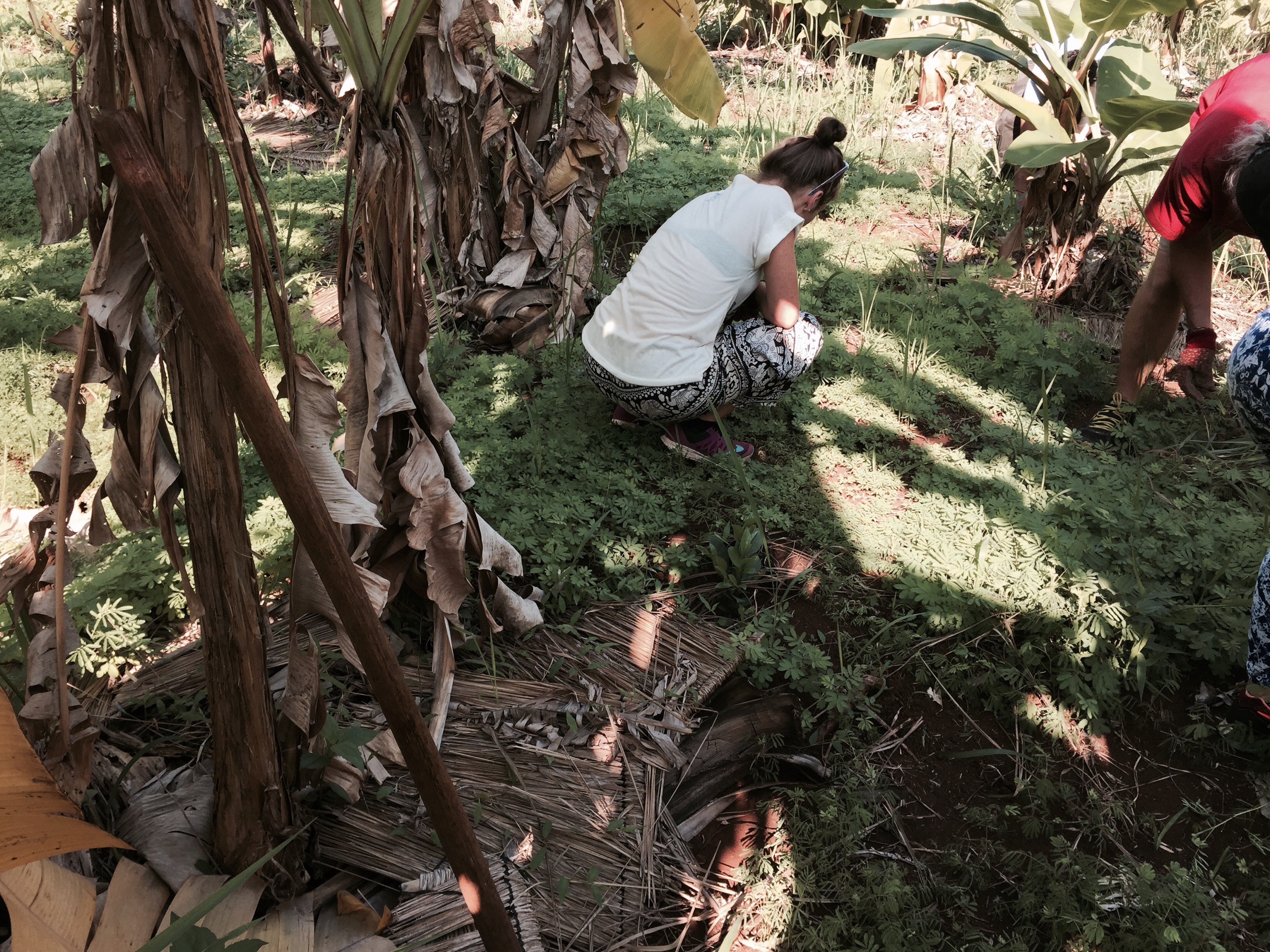
In the days before I left, I did more volunteer work (mainly weeding a banana field with a hundred pound hoe) and elephant health checks.
For the health checks, we used the following process:
First: observation. Are the ears flapping? Is the tail wagging? Both should be in pretty much constant motion (unless the elephant is thinking about something:). Is the elephant eating? Drinking? Bathing? Throwing mud? Does the elephant’s trunk drag on the ground? (It should be just touching it; if it is dragging, this is a sign of dehydration.)
Second: get up close and personal. Run your hands along the elephant’s skin. Do you feel any bumps? If so, check them. They are likely fly eggs. If it is a smallish black lump, it is a fly egg. Pick it out of her skin. I picked out several from Moon’s skin. Check behind her ears; look for anything icky. Check under her; again, look for anything icky. Pull out a bit of her skin; does it snap back quick enough? If not, she is dehydrated. Check her eyes; a little watery is good; a lot is not. Check her feet; any cuts?
Finally: measure. Take a very long tape measure and throw it right the way round her. This is at least a two person job. Get the measurement and do the conversion to get her BMI. Compare it to previous weeks. Is she losing weight? Gaining? Steady?
Use all of this information to help her mahout work with her and to develop a plan as needed. (Maybe she has a bad cut on her foot as Sambo did, so she must be moved closer to camp so she can receive daily iodine baths. Maybe she is loosing weight so she needs more jack fruit and banana trees. Etc.)
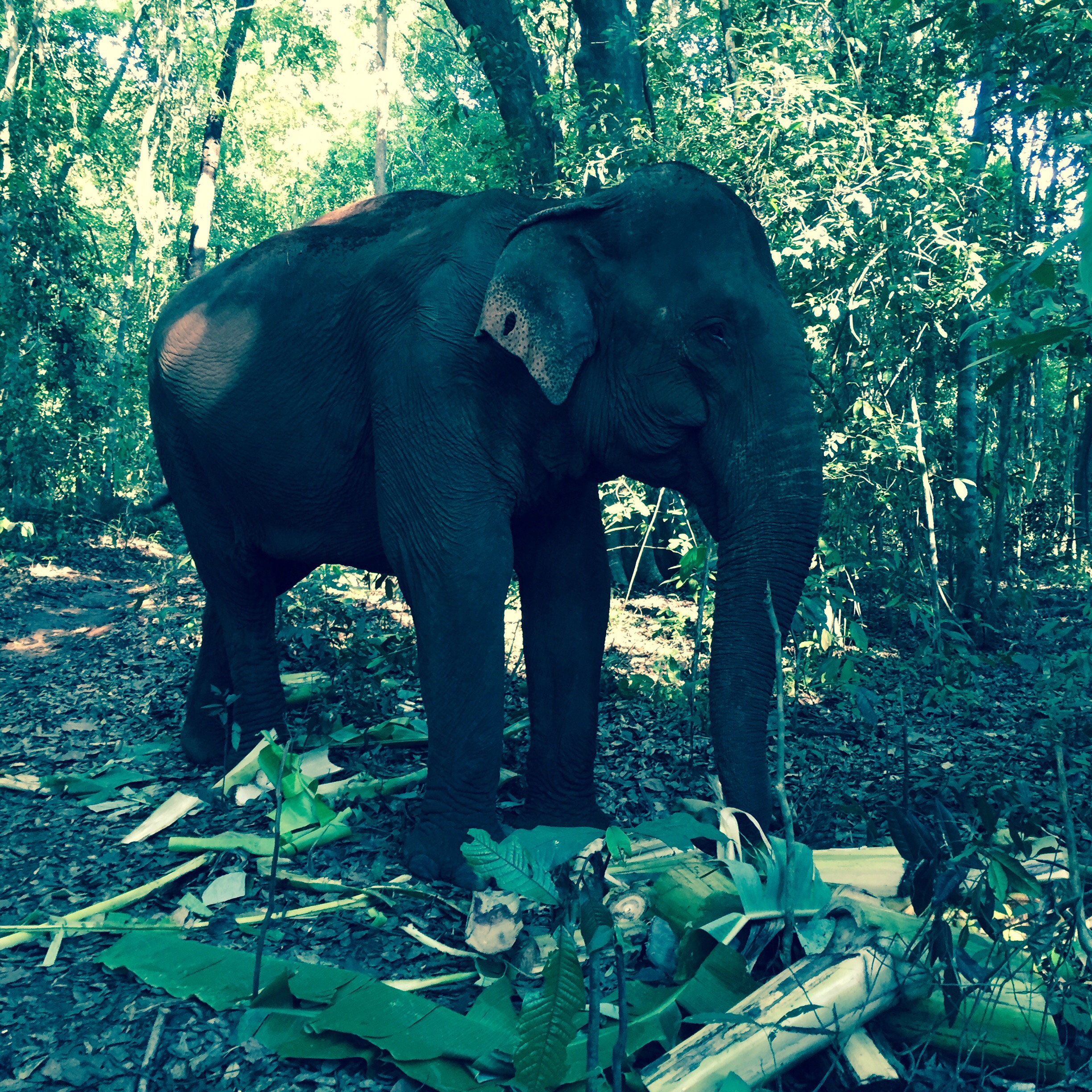
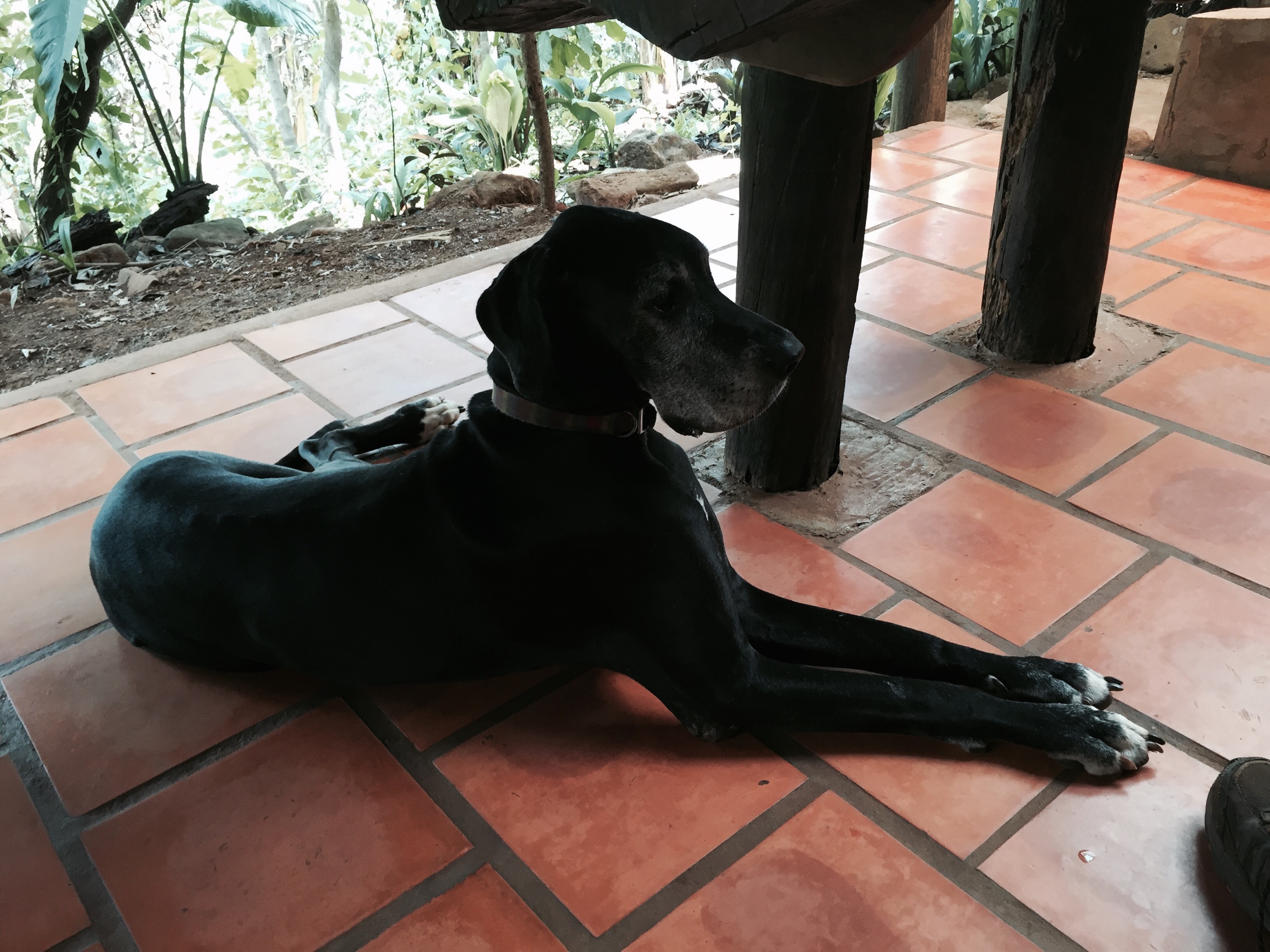
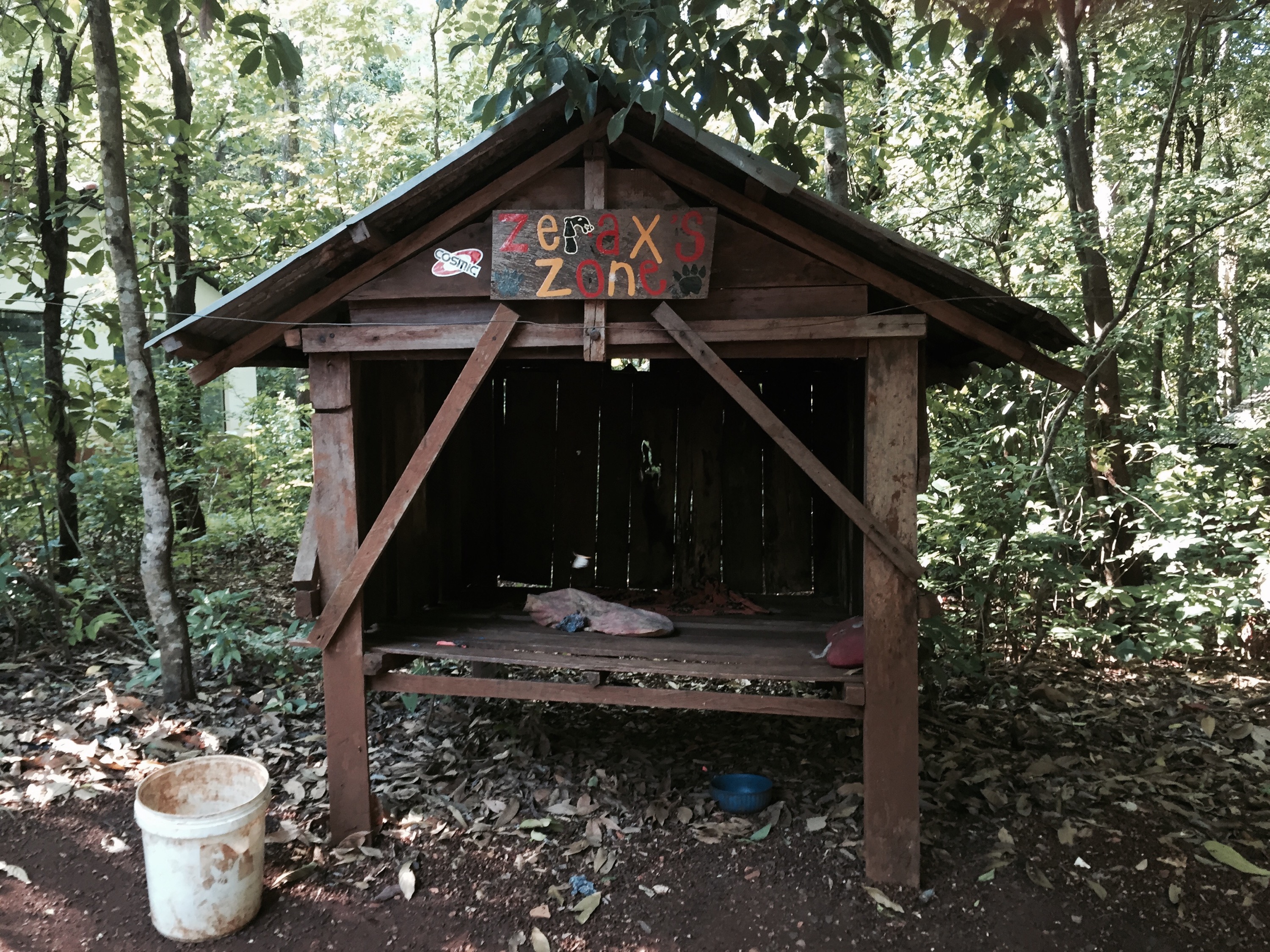
I don’t have any photos of me doing the health checks because, obviously, I was busy doing them. But here are a few more photos and videos, including another daily job of mine: feeding the pigs.
Moon sneaks up on us: video
Moon enjoys her bath: video
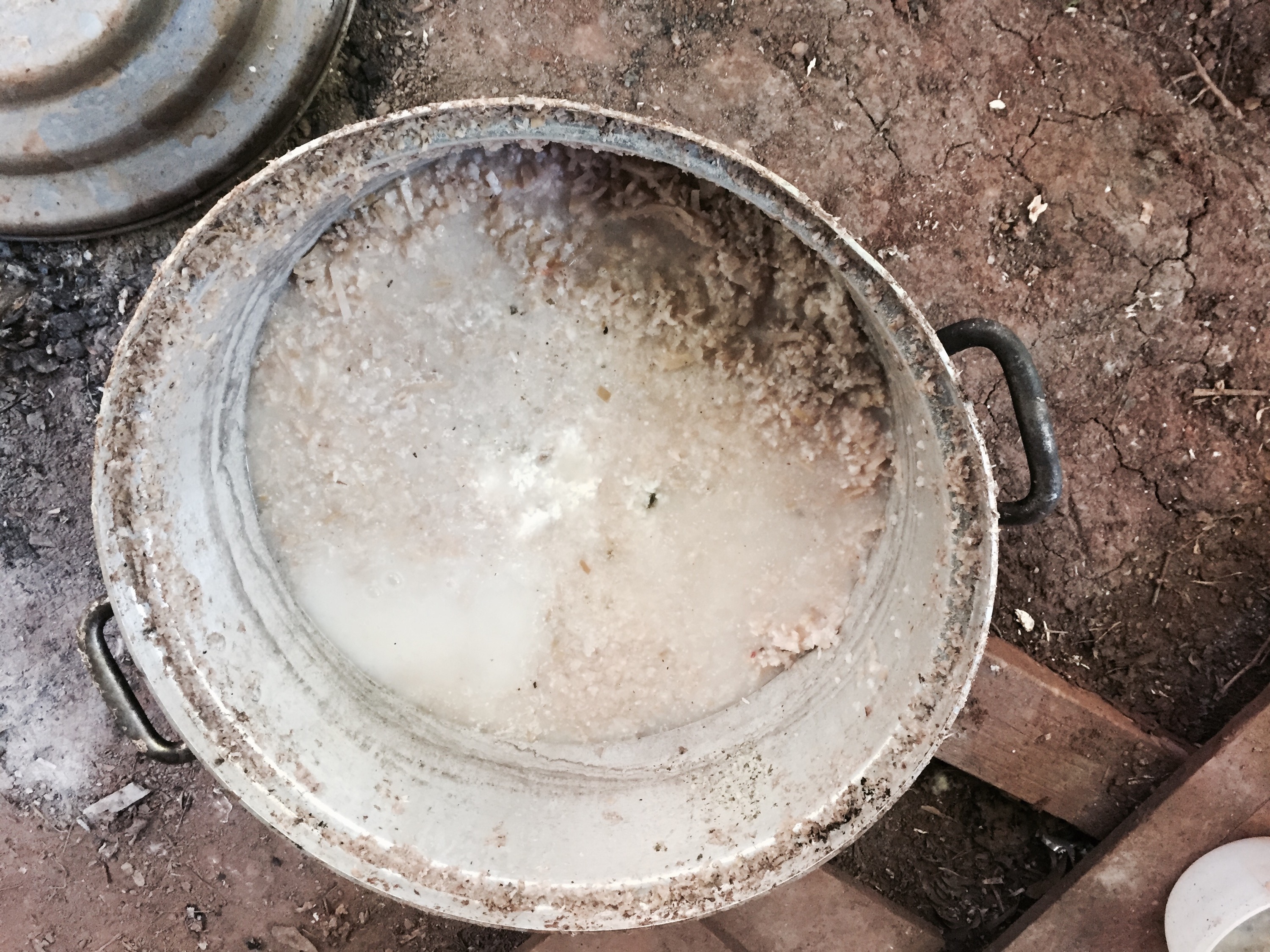
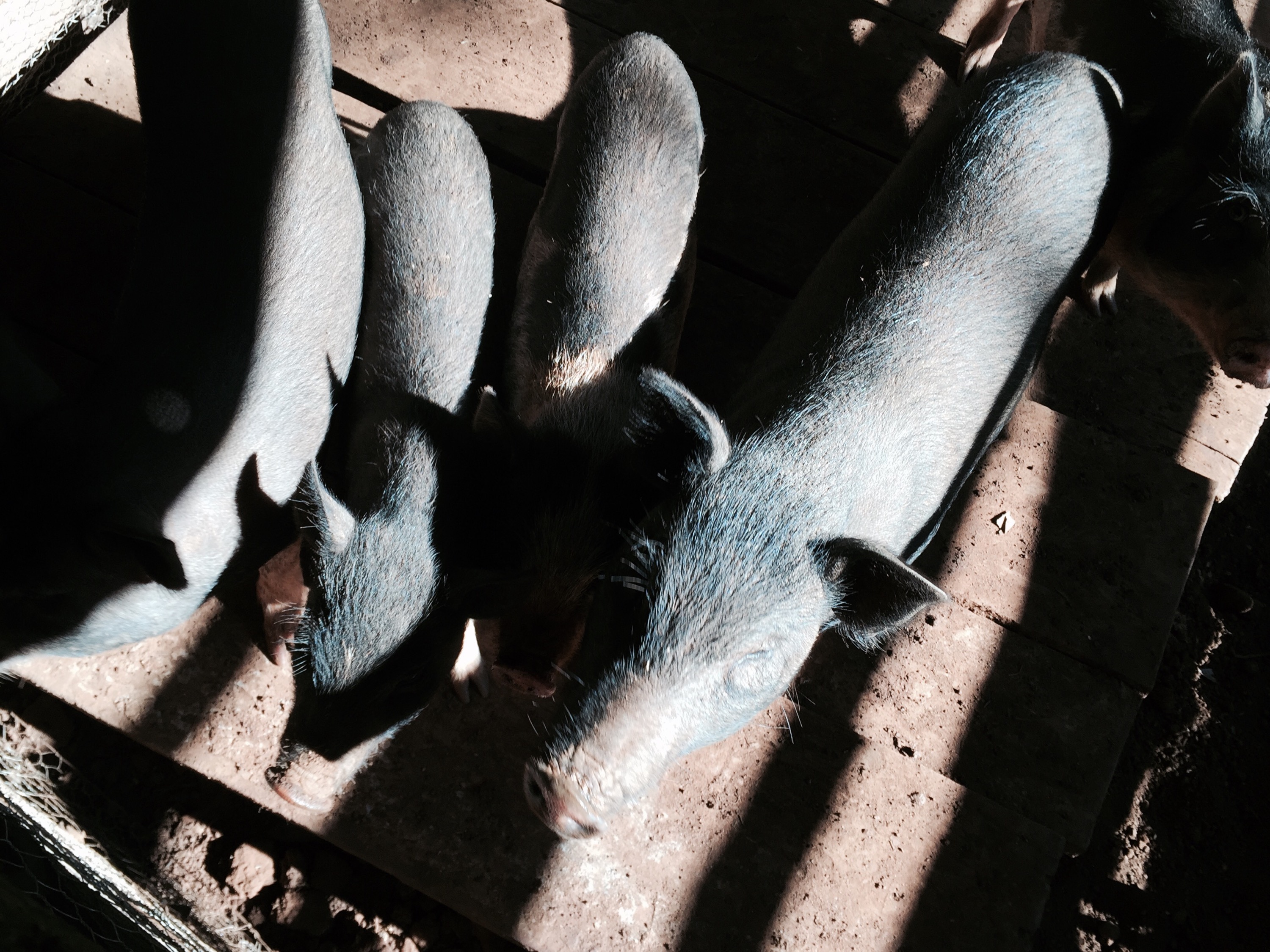
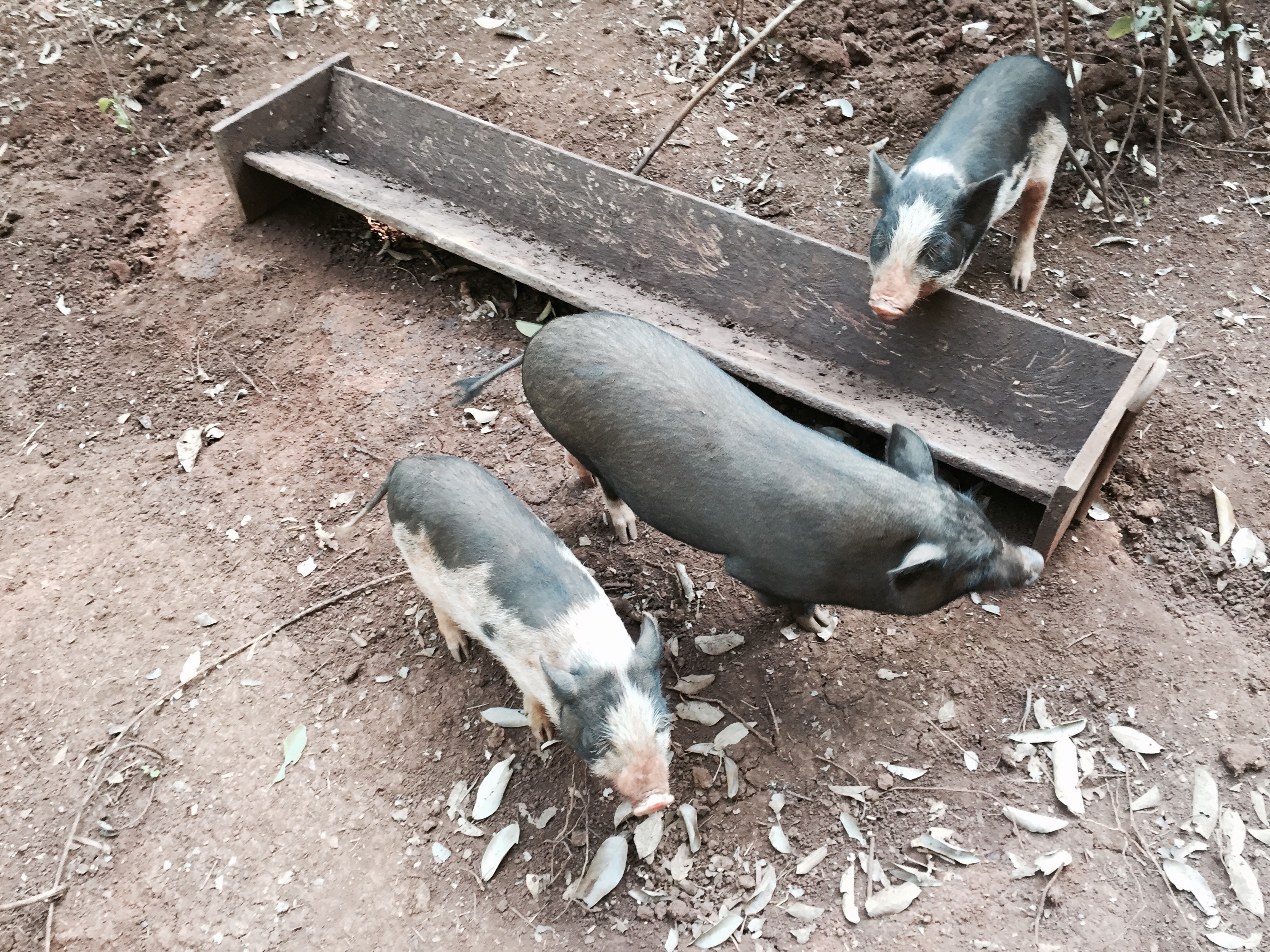
Pigs eating: video
 Amy Oswalt