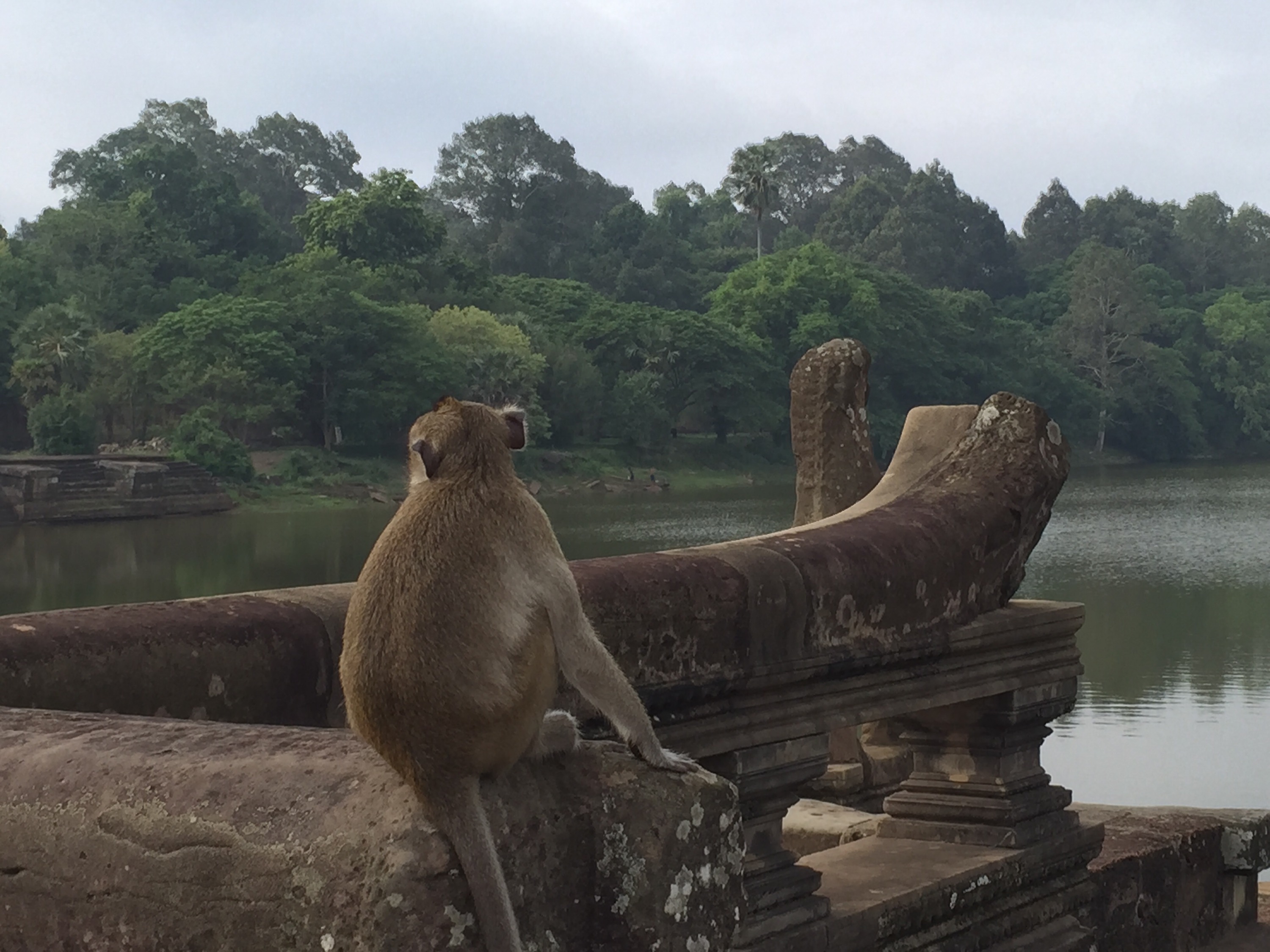
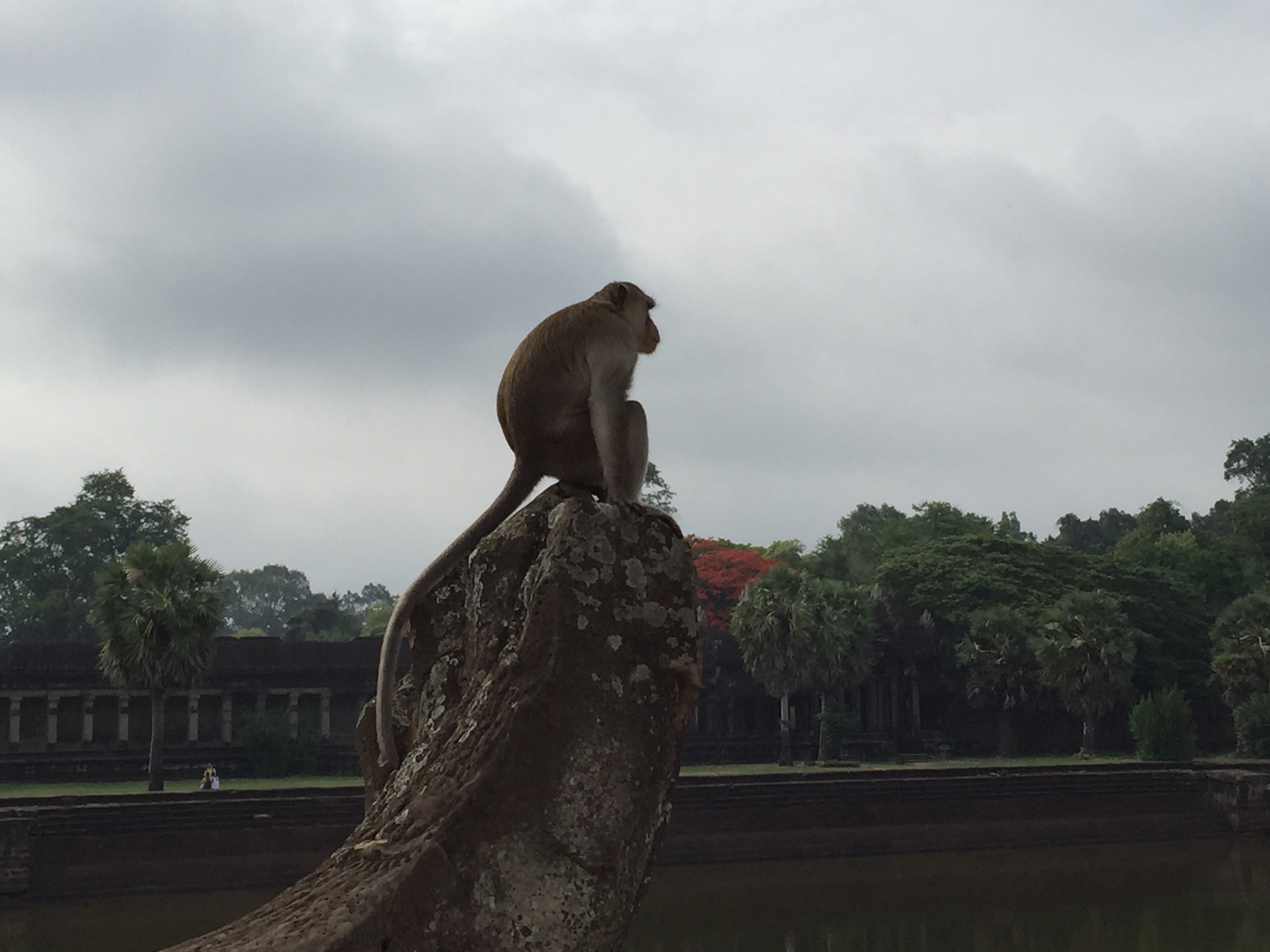
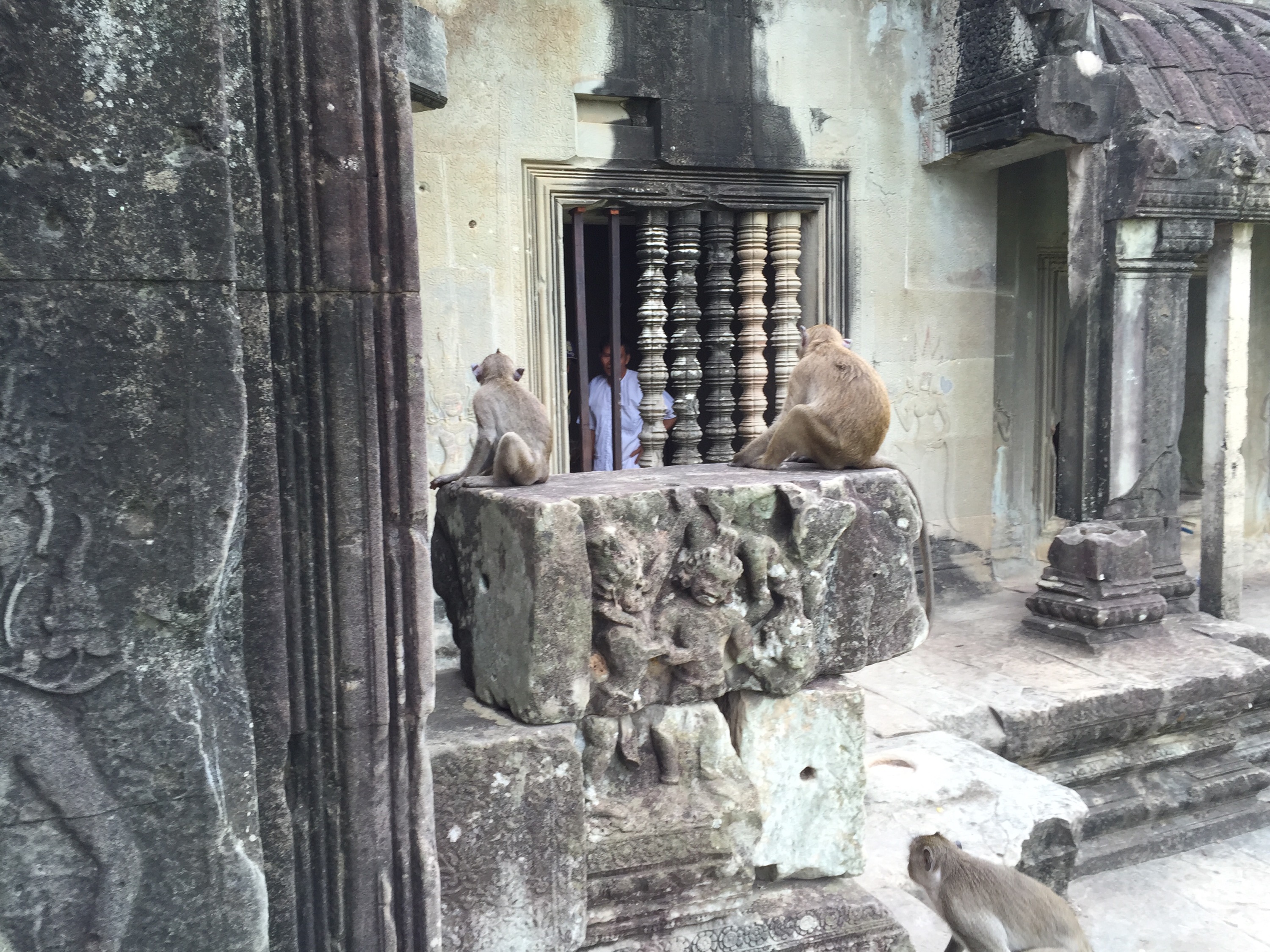
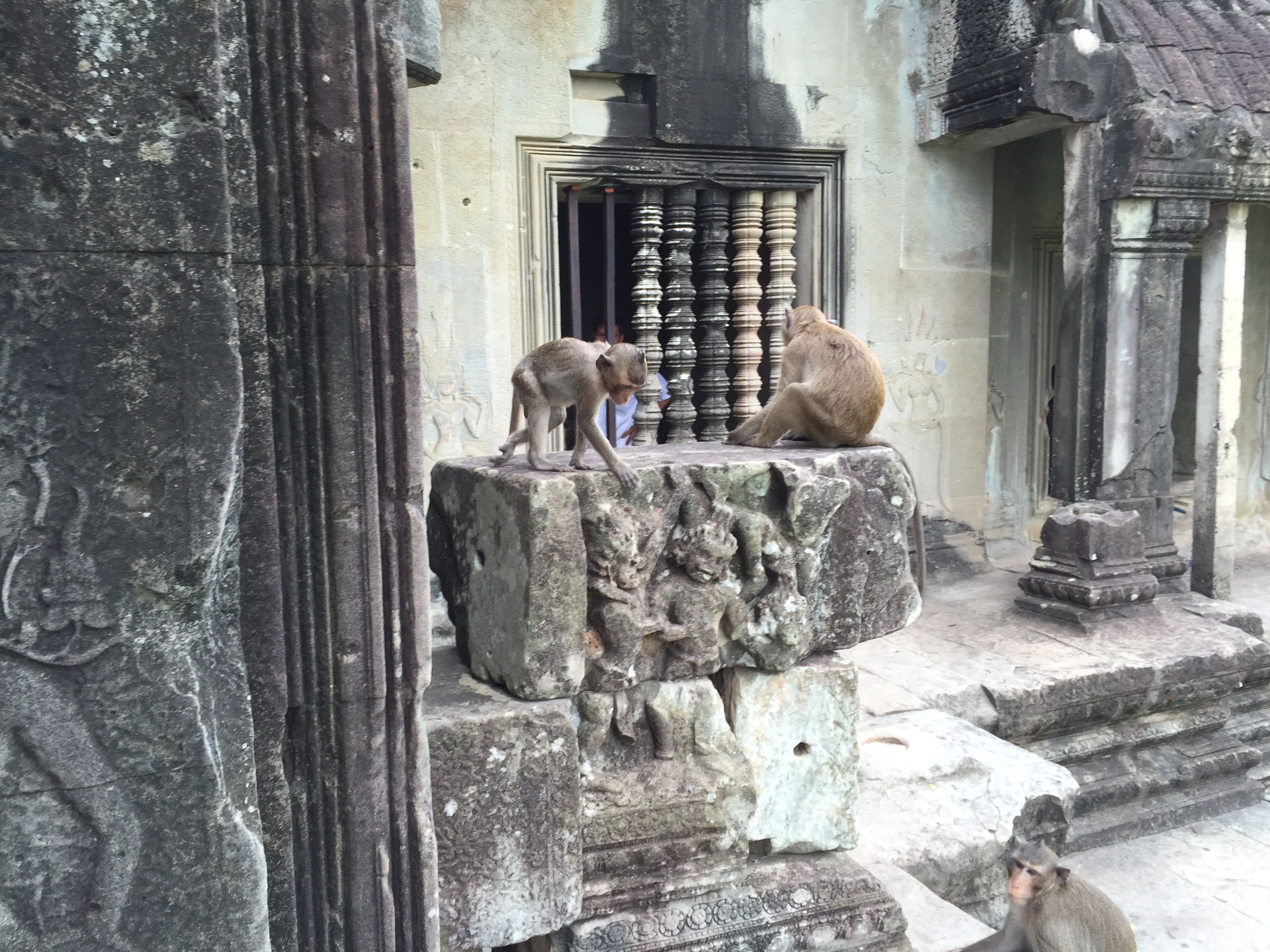
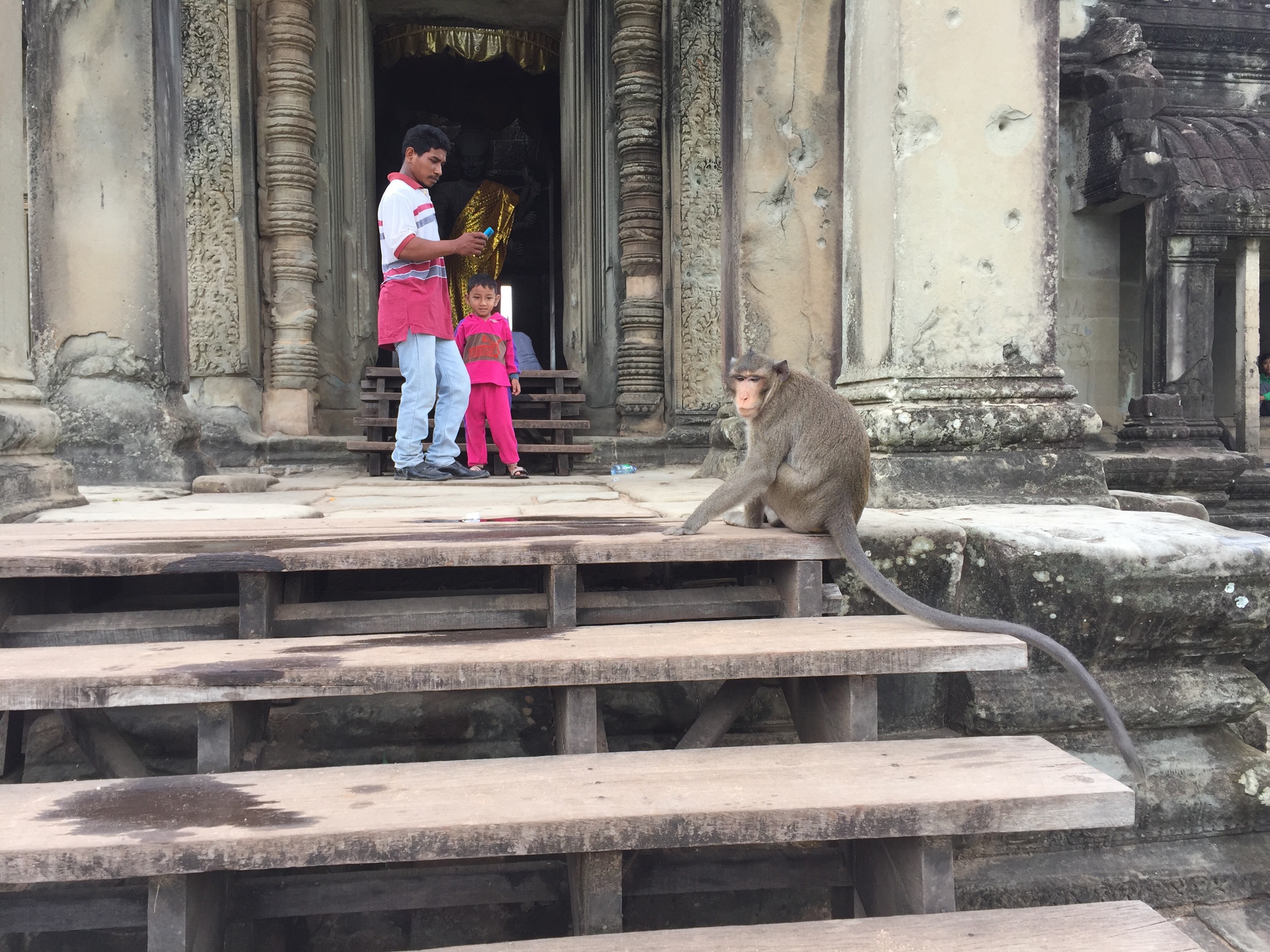
Today is Mary’s 78th birthday (I may be off a year or two;). In honor of this event, and due to her love of monkeys, I am posting my monkey shots from Angkor Wat.

Human
Today is Mary’s 78th birthday (I may be off a year or two;). In honor of this event, and due to her love of monkeys, I am posting my monkey shots from Angkor Wat.
From The Elephant Valley Project’s website:
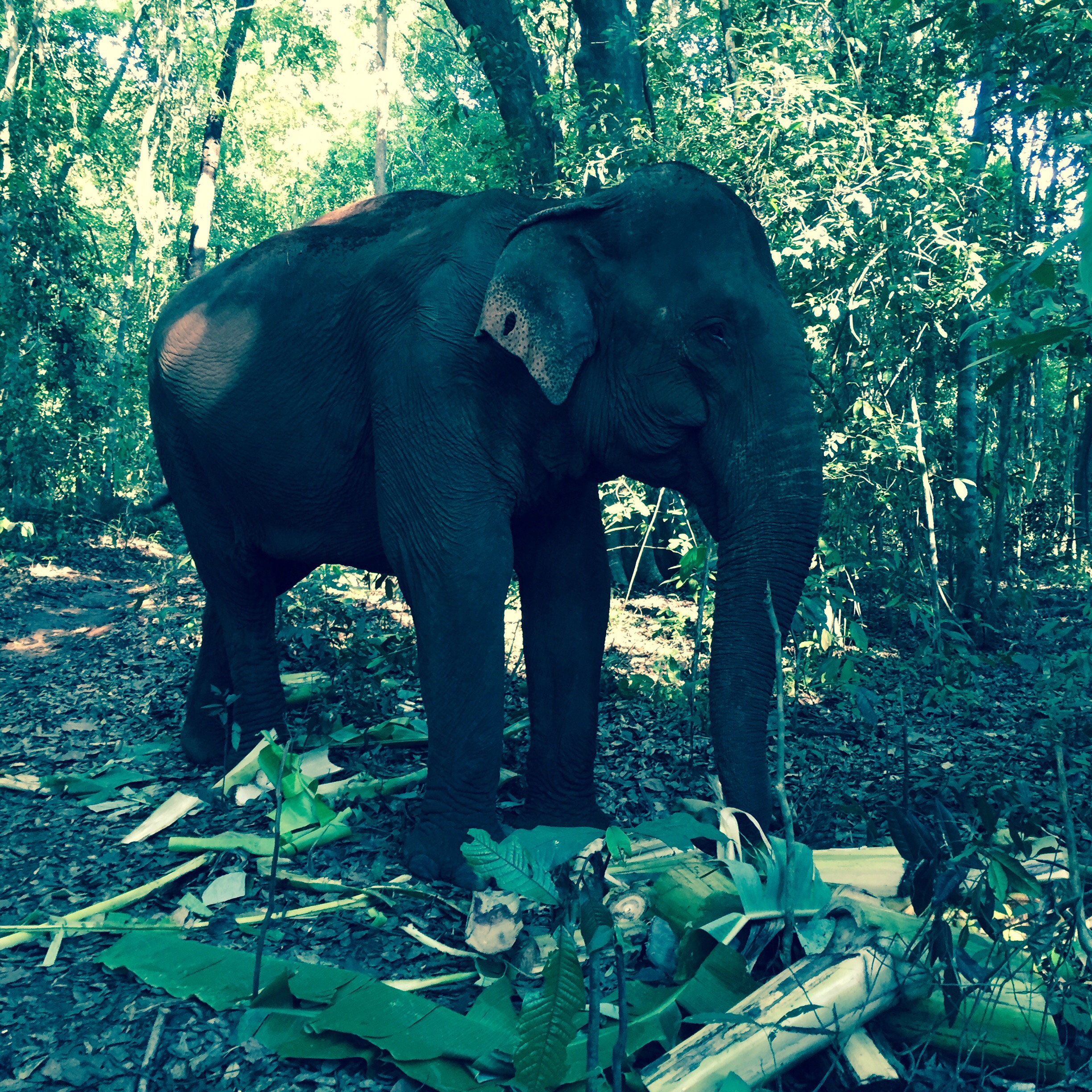
Milot came from two villages where she used to carry tourists in one and haul wood in the other. She is blind in her right eye (you must always walk on her left) and covered in old scars that were previously abscesses. When Milot first arrived, she was very resilient and hard minded; scared of people, vehicles and other elephants. However she settled into the project and can now often be found quite close to our base camp.
She prefers to spend most of her time looking for bamboo and is a true mud-artist; she first makes a mud-paste and then covers her entire body in it and then she likes to have a good scratch!
Most of Milot’s problems stem from being overworked by her previous owners who would overload her with which ever goods or people they were tasked to carry. She would have to haul such things as wood, oil, tourists and rice (though not at the same time) and trek between villages and far into the local forest to earn an income.
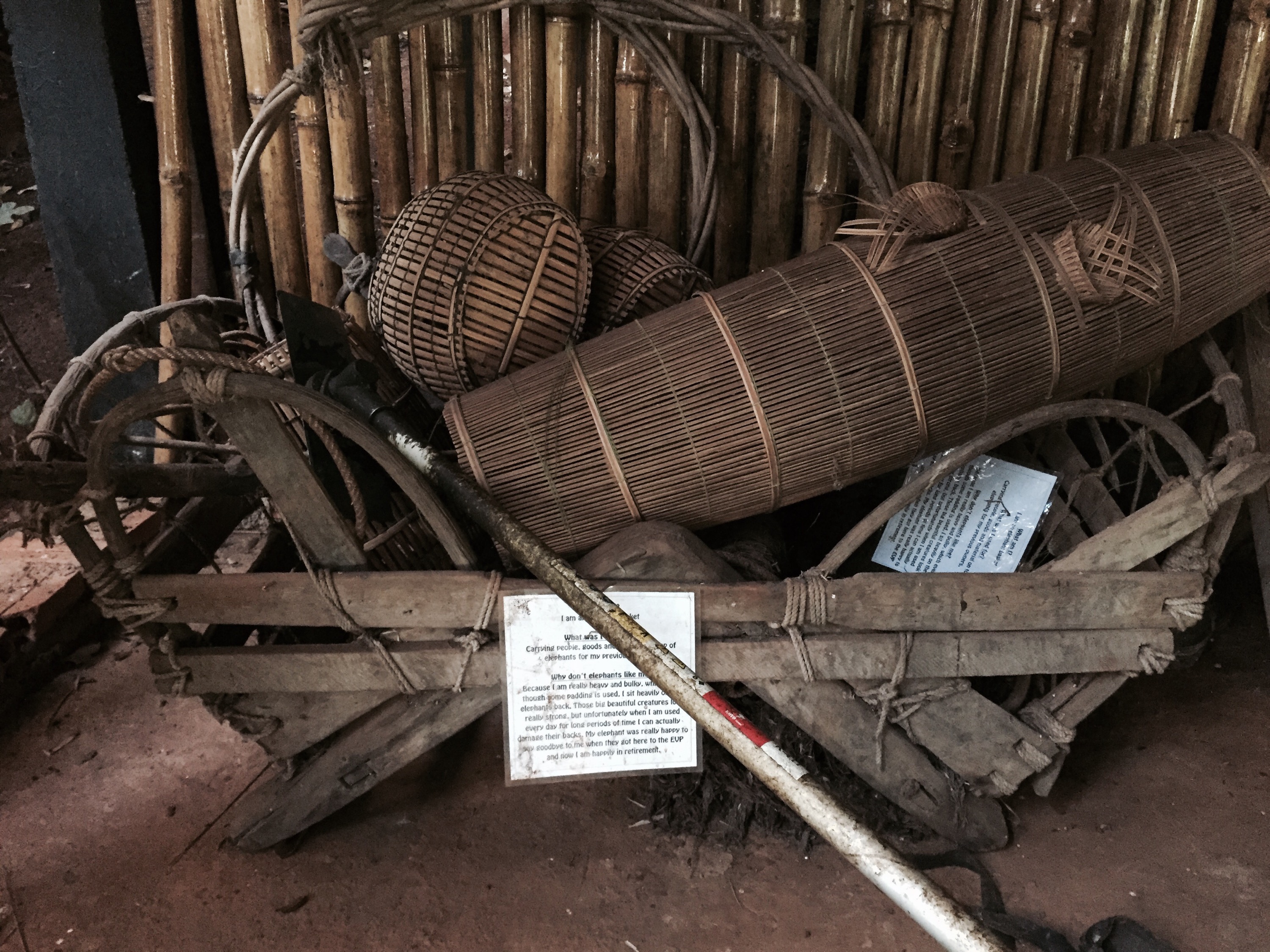
Unfortunately the bruising caused by the overloading led to some serious elongated abscesses from her poorly fitted and overloaded basket and through the pain she started to become uncooperative. This meant in turn she was hit in increasing quantities as to drive her along.
The majority of captive elephants in Mondulkiri are well looked after. However our main concern is firstly with these elephants that are in a similar situation to which Milot was and get them away from a working environment that is detrimental to their health and future. From there we can try to put them back into their natural habitat at the EVP and secondly still provide a job and a good income to the mahouts who care for them.
Milot came to the project in 2009. She believed to be in her early fifties. Currently, she is having a very hard time digesting her food. You know Milot’s poo when you find it as it is not in a nice firm ball and is instead stringy with loads of undigested food in it. It is likely that one of Milot’s problems is that there is something wrong with her teeth. Elephants get six sets of teeth in their lifetime – one per decade kind of. Milot has gone through hers early which again shows her tough life conditions. Typically, the EVP staff would give an elephant with to tooth condition some antibiotics, but since Milot is additionally exhibiting stomach problems, they are worried that the antibiotics will create more stomach issues. So they are giving her extra vitamins and B12. As of right now, she seems to be doing a bit better. Her life expectancy cannot really be determined as it just depends on how she reacts to the treatment.
Interesting, due to her life traumas, Milot has a very hard time getting along with other elephants. This is why she is usually alone.
On a side note, when I was feeding the pigs, I tried to feed the runt by herself. I thought I would give her a chance to get some food before her piggy siblings. So I locked the group in the pen and just took out the little one. I was amazed to find out that she would not eat and was quite distraught to be separated from her family. So I had to let them all eat together. Apparently, pigs are very social too, just like elephants.
You can all draw your own conclusions from all of this.
Sadly, my time with the elephants had to come to an end.
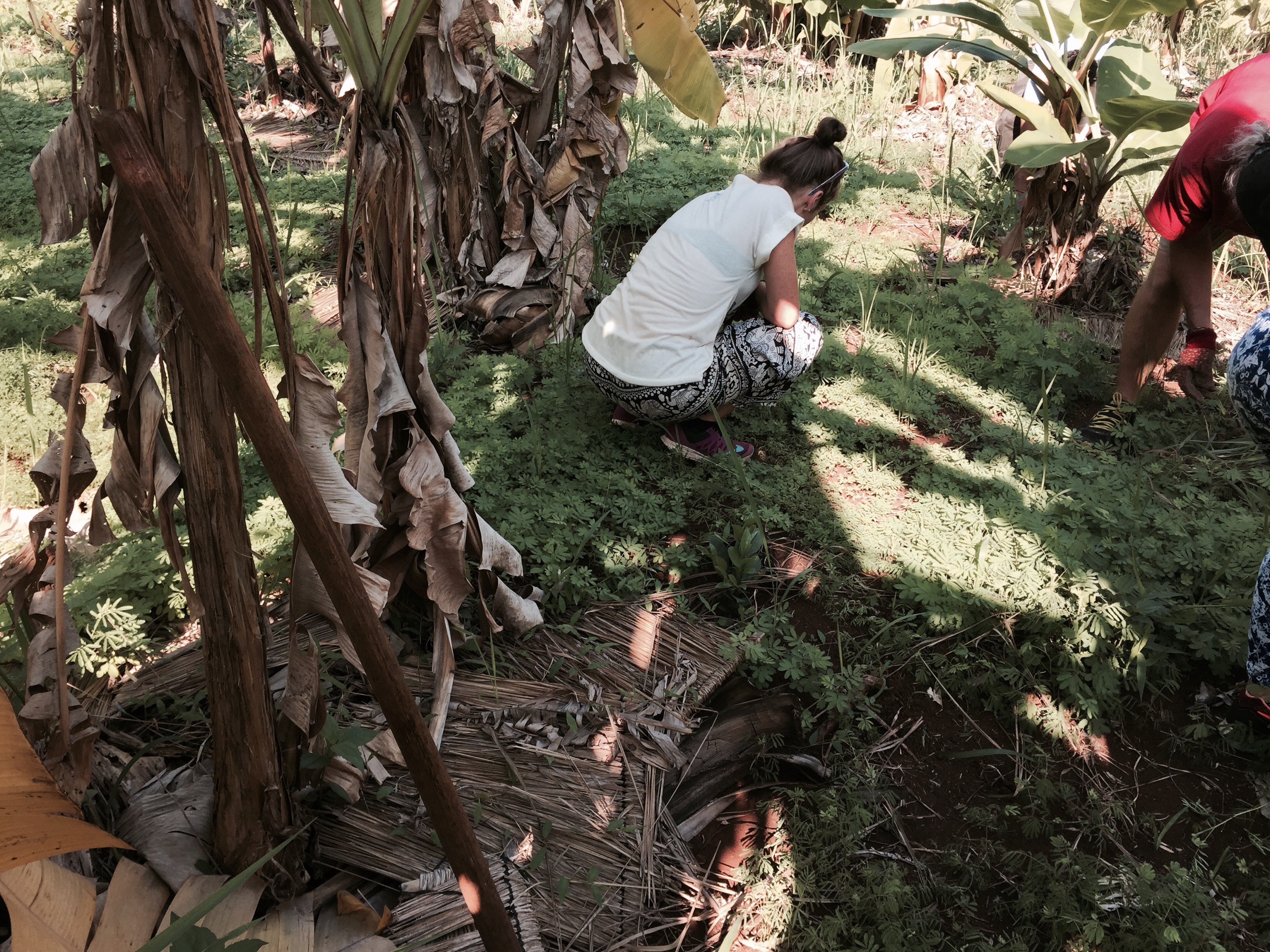
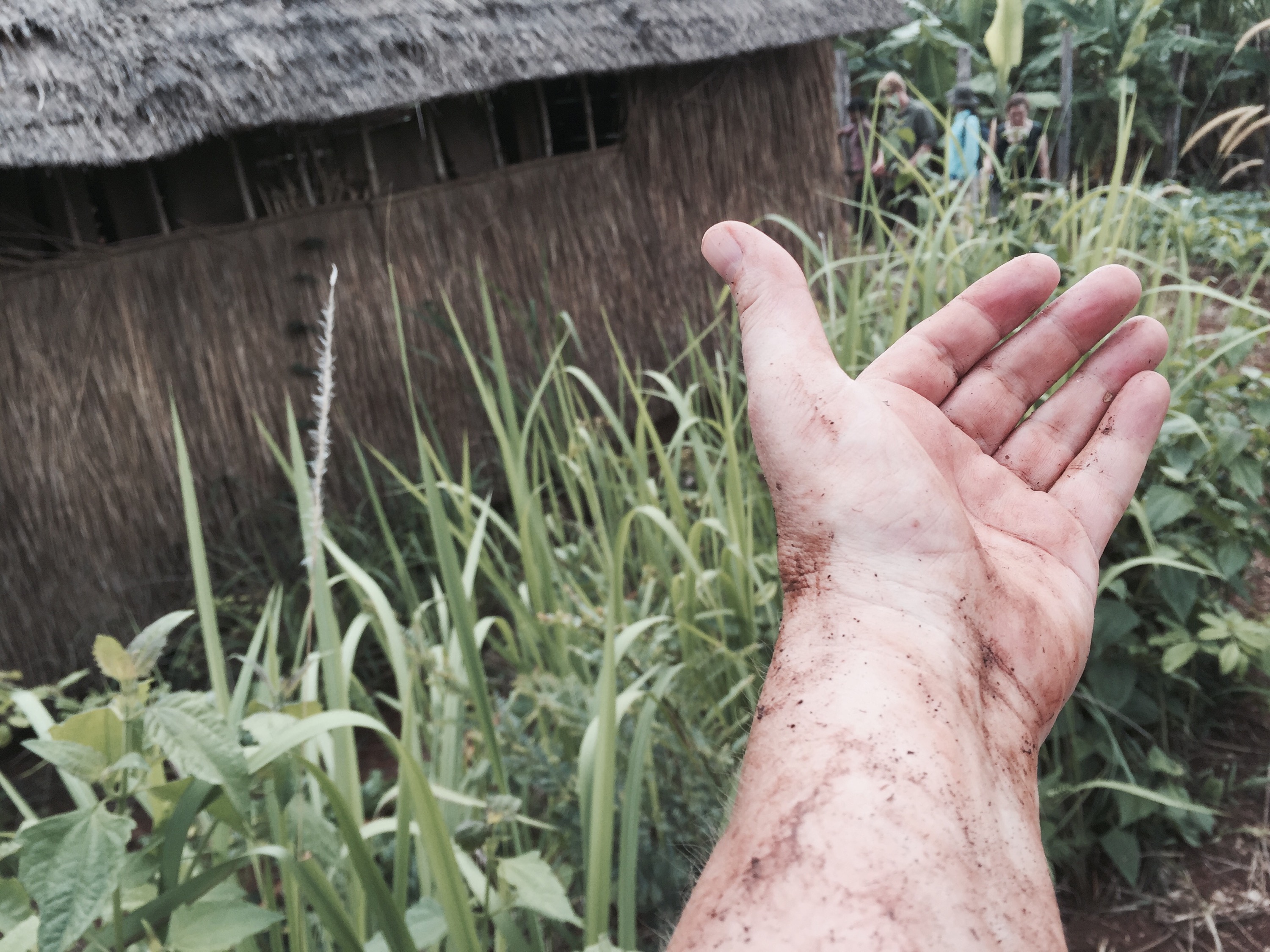
In the days before I left, I did more volunteer work (mainly weeding a banana field with a hundred pound hoe) and elephant health checks.
For the health checks, we used the following process:
First: observation. Are the ears flapping? Is the tail wagging? Both should be in pretty much constant motion (unless the elephant is thinking about something:). Is the elephant eating? Drinking? Bathing? Throwing mud? Does the elephant’s trunk drag on the ground? (It should be just touching it; if it is dragging, this is a sign of dehydration.)
Second: get up close and personal. Run your hands along the elephant’s skin. Do you feel any bumps? If so, check them. They are likely fly eggs. If it is a smallish black lump, it is a fly egg. Pick it out of her skin. I picked out several from Moon’s skin. Check behind her ears; look for anything icky. Check under her; again, look for anything icky. Pull out a bit of her skin; does it snap back quick enough? If not, she is dehydrated. Check her eyes; a little watery is good; a lot is not. Check her feet; any cuts?
Finally: measure. Take a very long tape measure and throw it right the way round her. This is at least a two person job. Get the measurement and do the conversion to get her BMI. Compare it to previous weeks. Is she losing weight? Gaining? Steady?
Use all of this information to help her mahout work with her and to develop a plan as needed. (Maybe she has a bad cut on her foot as Sambo did, so she must be moved closer to camp so she can receive daily iodine baths. Maybe she is loosing weight so she needs more jack fruit and banana trees. Etc.)
I don’t have any photos of me doing the health checks because, obviously, I was busy doing them. But here are a few more photos and videos, including another daily job of mine: feeding the pigs.
Moon sneaks up on us: video
Moon enjoys her bath: video
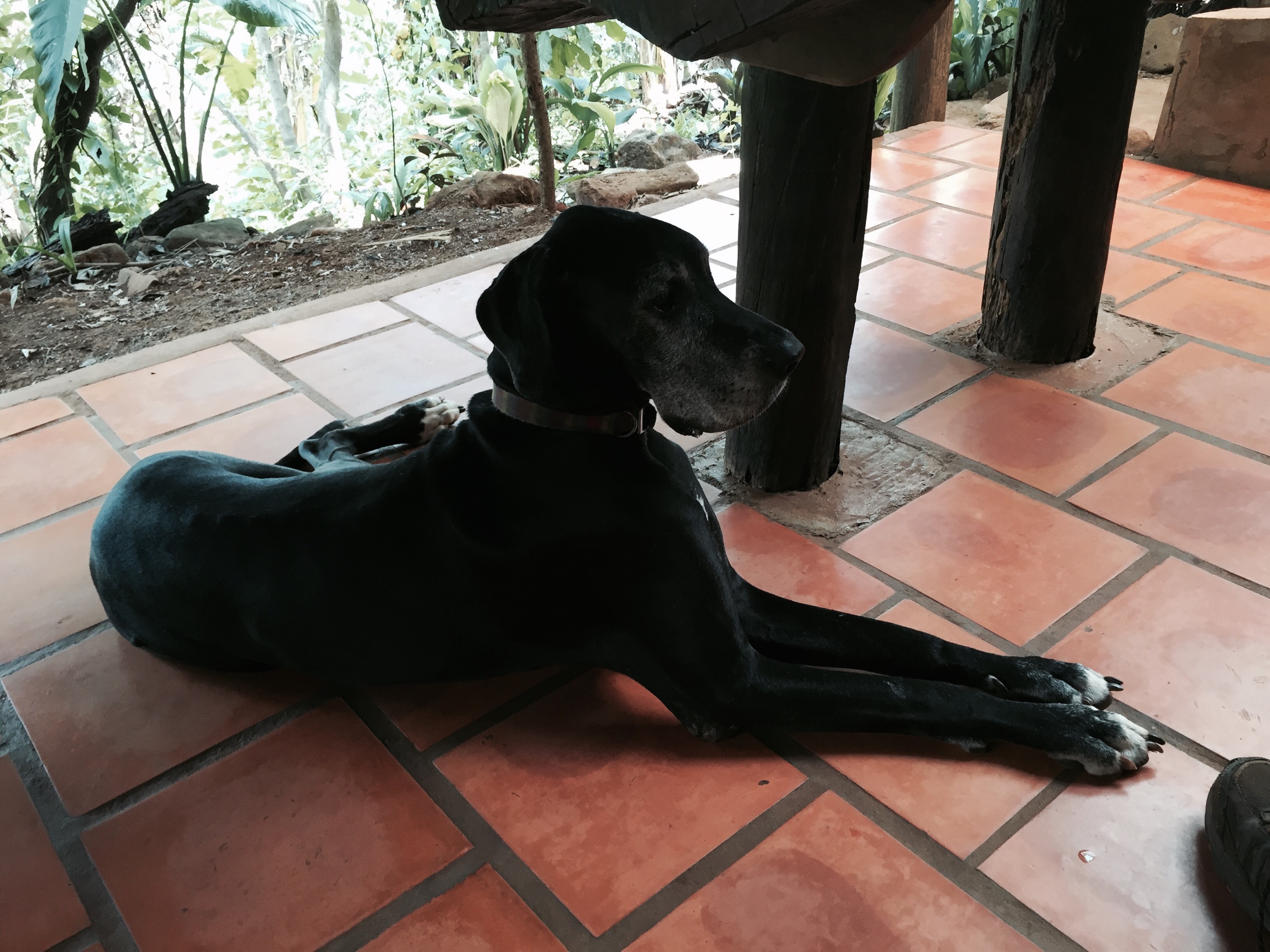
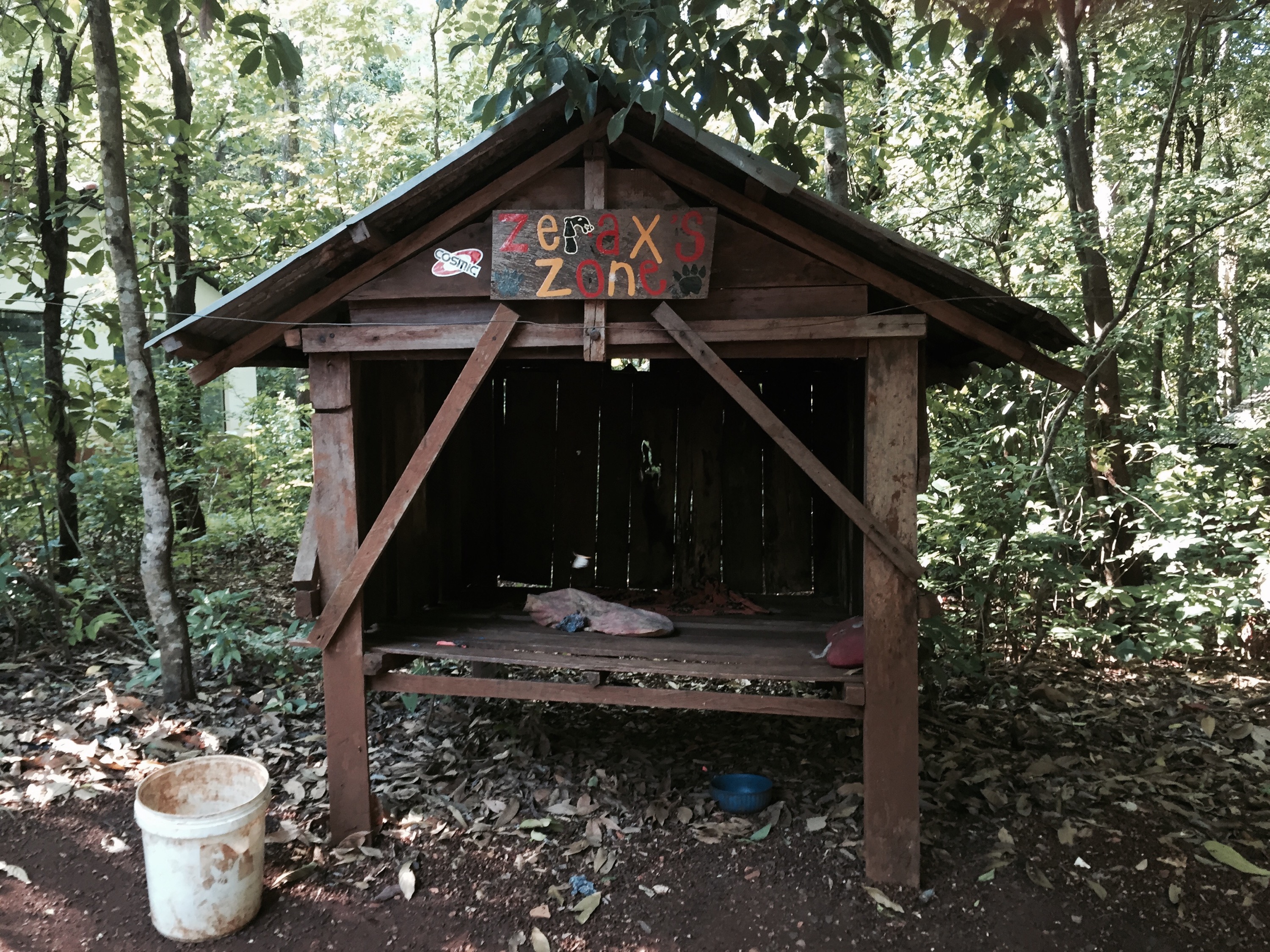
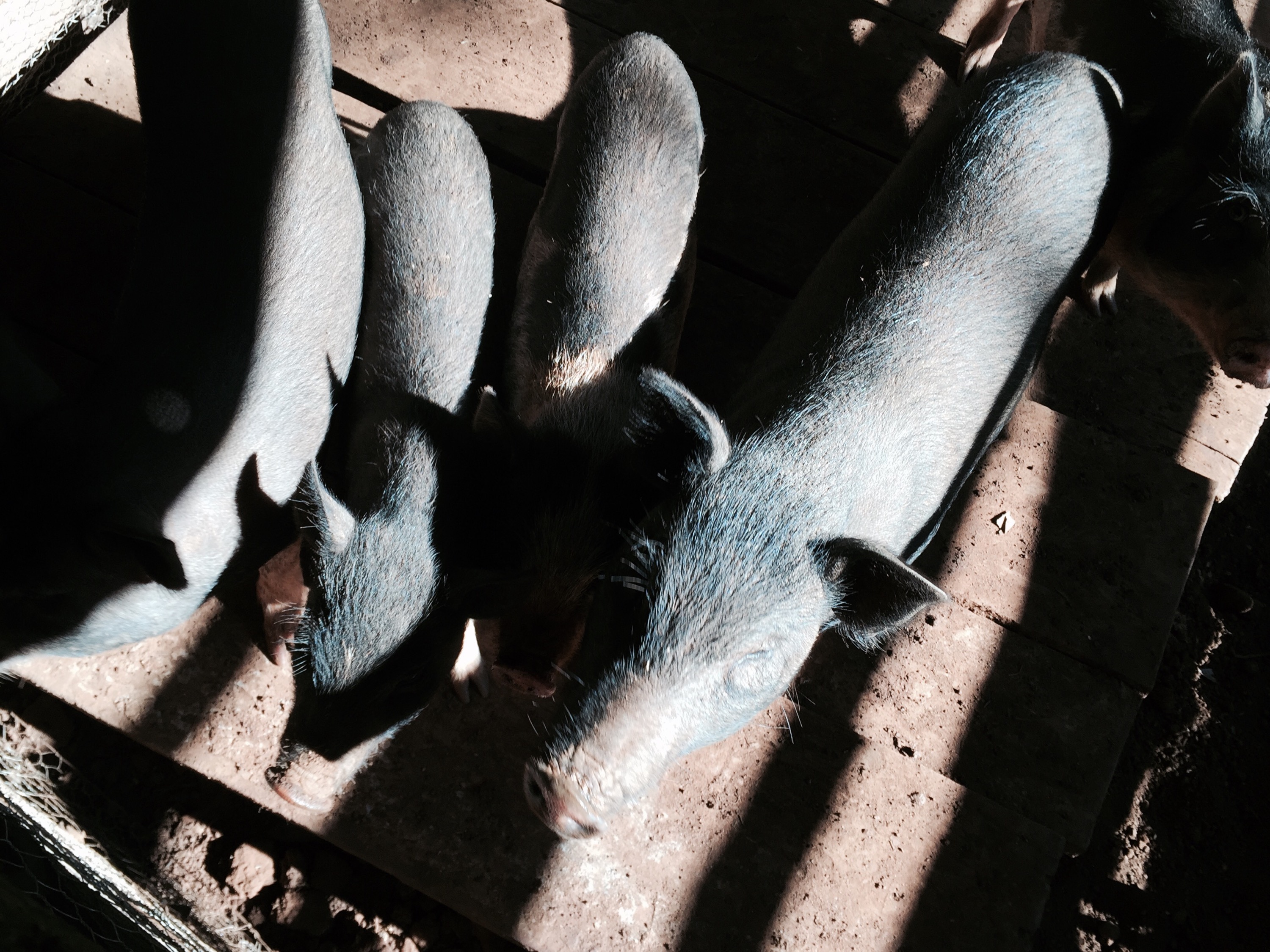
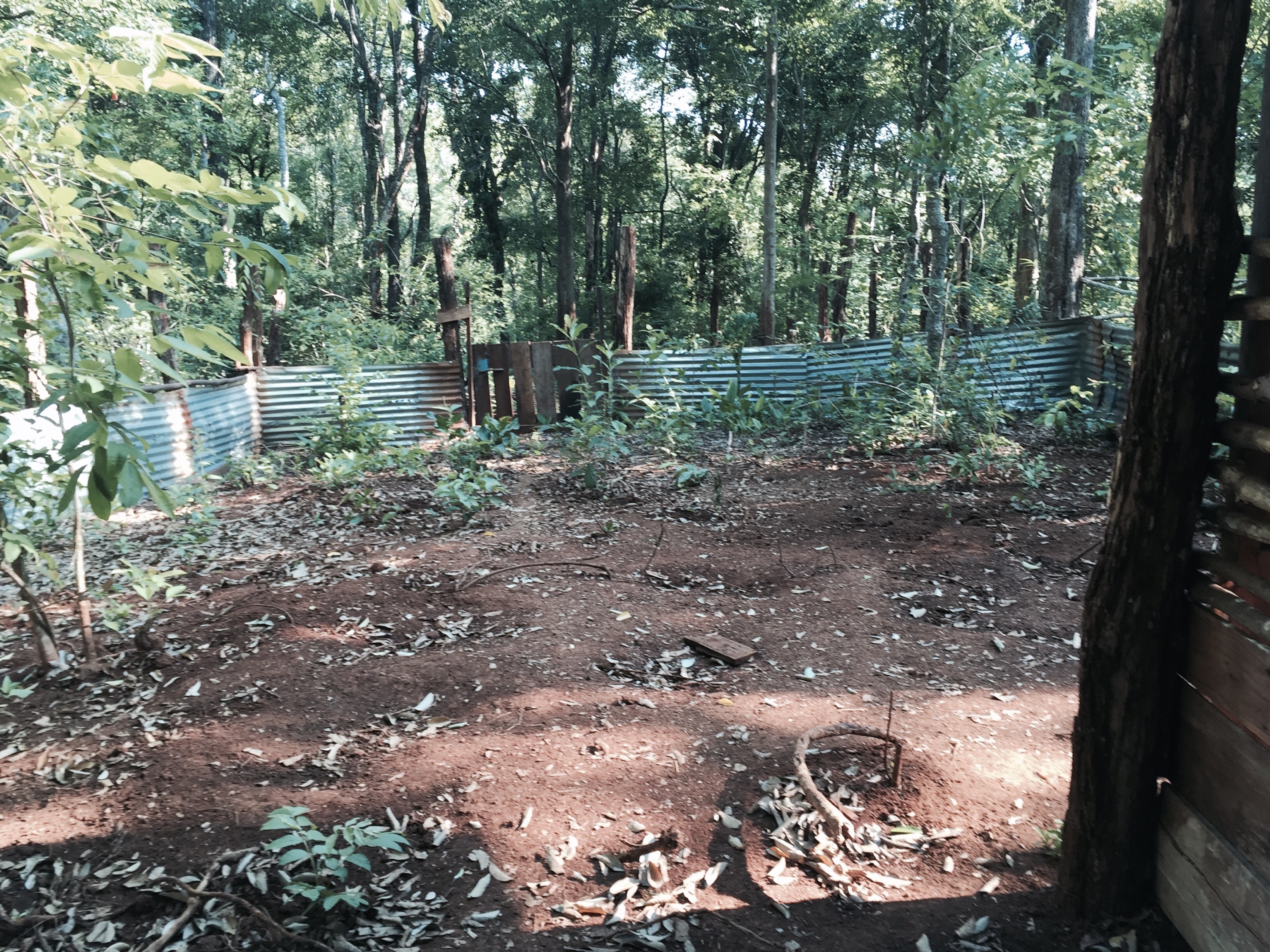
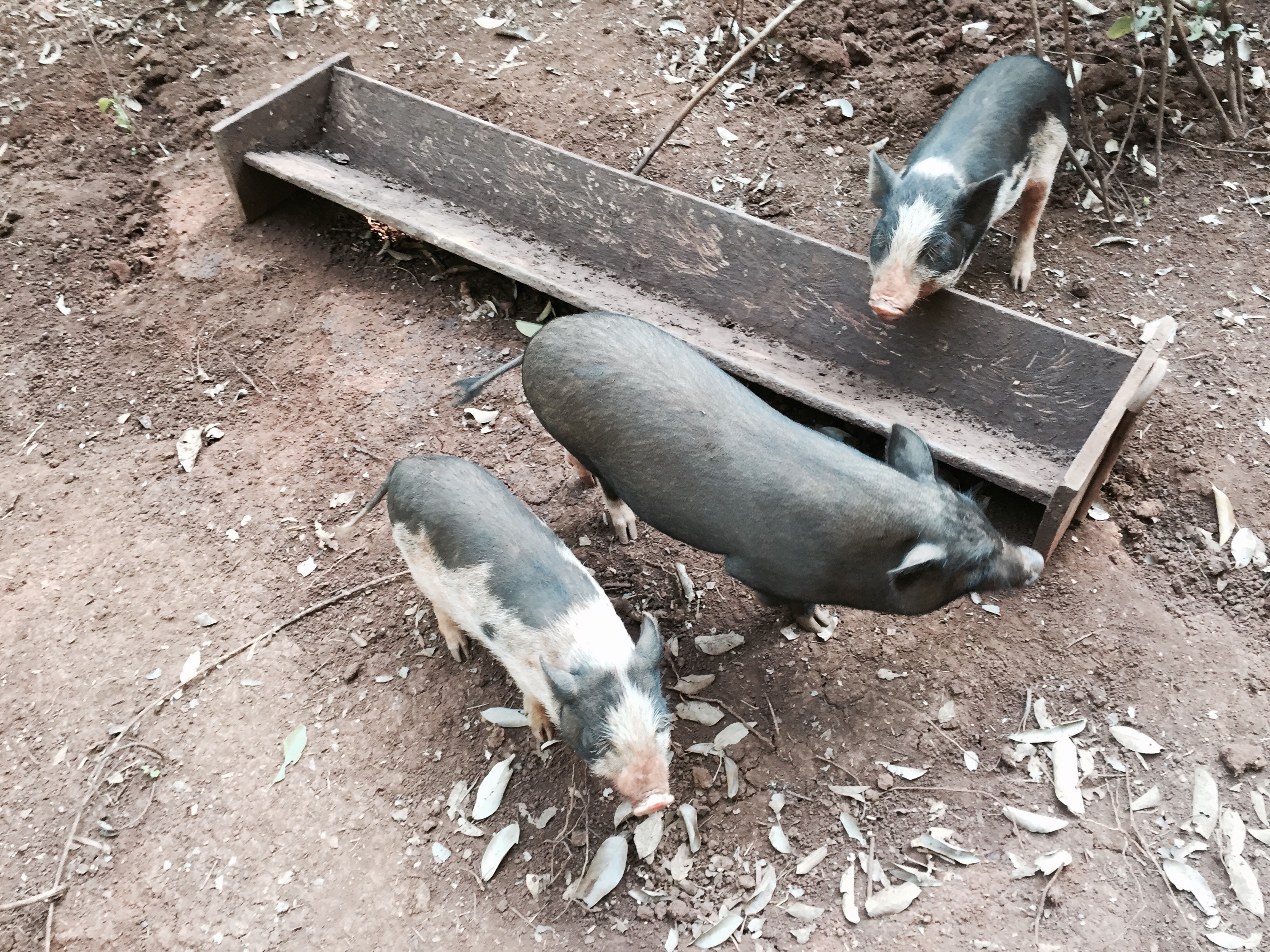
Pigs eating: video
So day two was spent doing volunteer work. And you thought volunteering for pizza Friday with the kindergarten was challenging? Well, I got to top that.
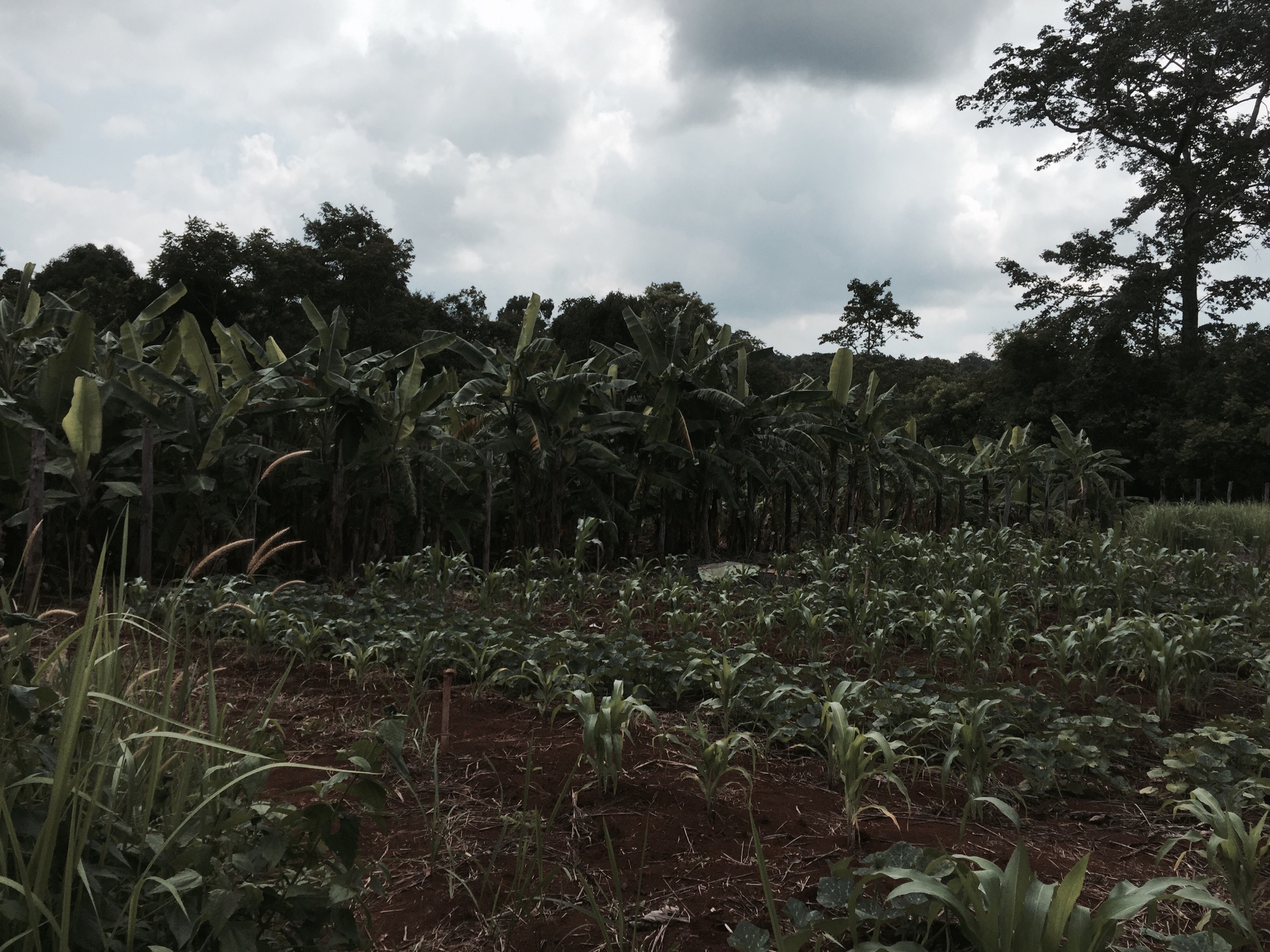
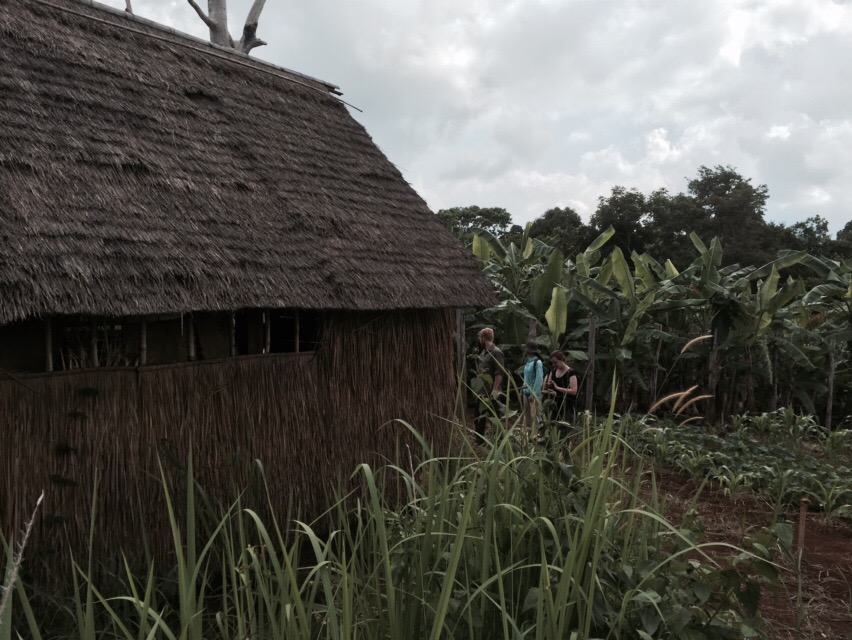
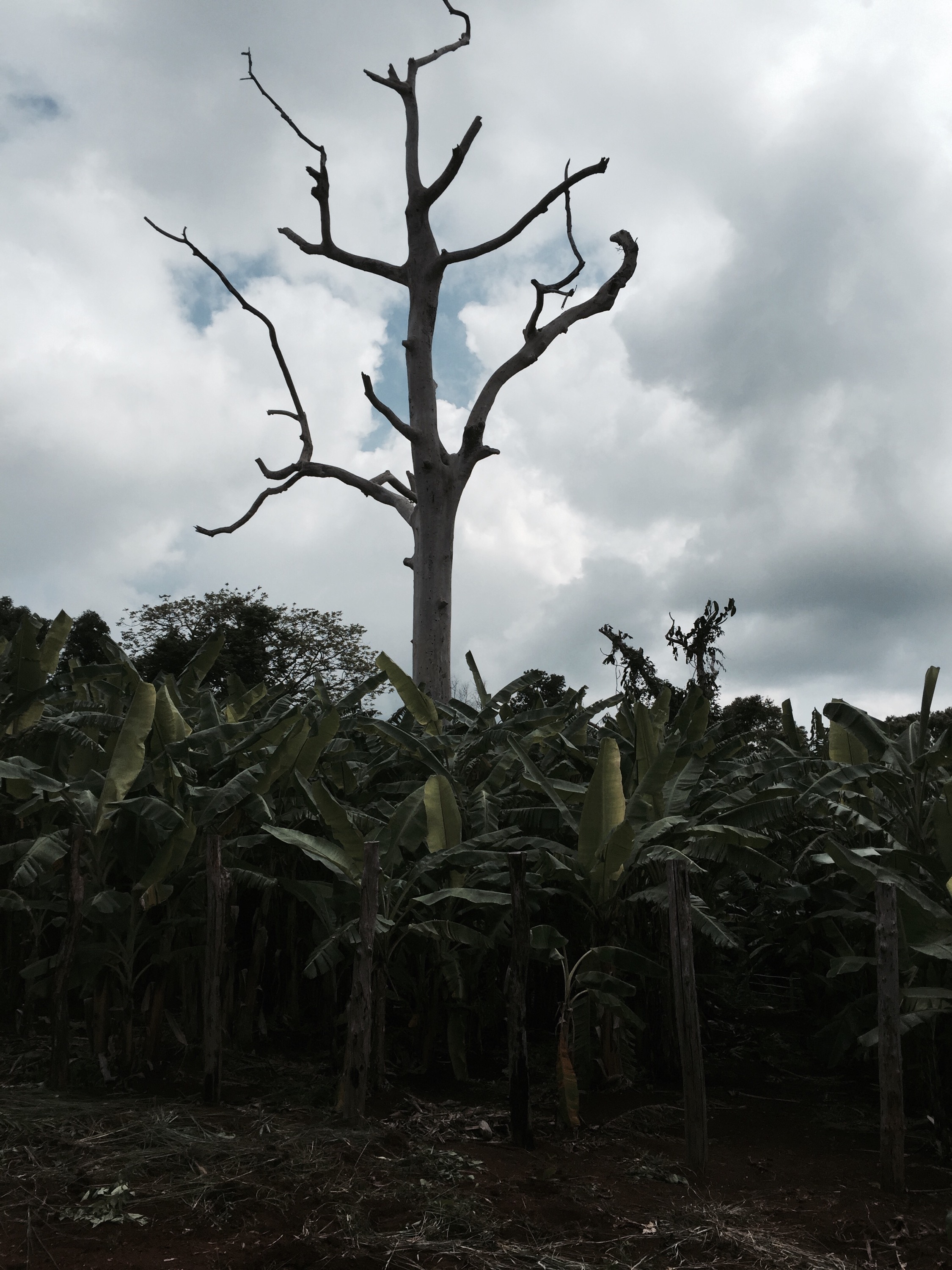
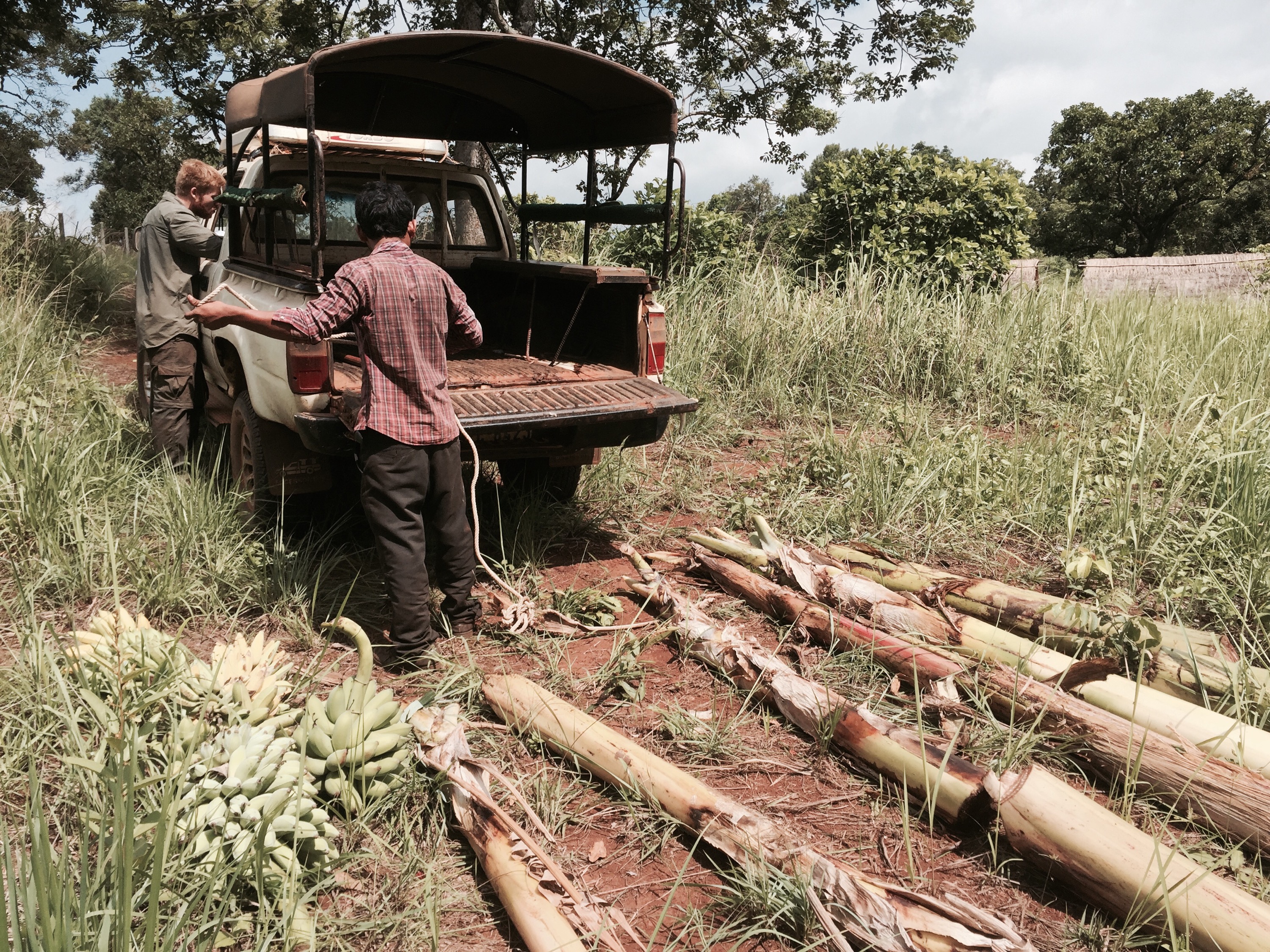
Myself and three other volunteers: Prenay (from US), Natasha ( from US but living in S. Korea where husband is stationed), and Nera (18 year old girl from China – she was lovely!) accompanied Ben (the project volunteer coordinator, from England, and total work horse) and Twoin (took liberties with the spelling – he is a Banong* who lives in village and works for project) to Tony’s farm. Tony is a Kiwi (New Zealander) who lives in Cambodia permanently: he is a bit out there, literally and figuratively. The project buys bananas, banana trees, corn, and pumpkins from him. Yes, elephants eat all of that, including the actual banana tree.
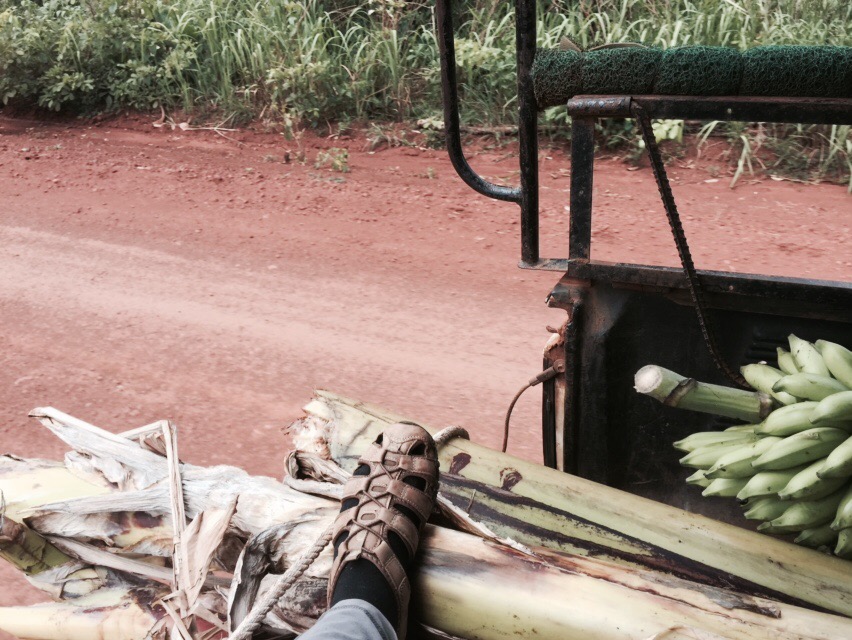
Which is where the volunteers come in. Our job for the day was to chop down 8 banana trees, carry them to the truck, load the truck, take the trees to camp, unload them, and take them down 284 steps and through the jungle to Malot, the elephant who is sick. I made 4 trips down the steps and the jungle. In 100 degree heat with 95% humidity carrying a five foot log that weighs about 70 pounds anywhere is tough. Down 284 stairs, across a river, and through the jungle four times was challenging, to say the least. My fourth trip I tried to go a bit easy and carry a smaller log only to be given a machete on a 3 foot handle to carry as well. Those of you who have ever seen me walk know that the very last thing on earth I should be doing is carrying a log and a knife across slippery river rocks.
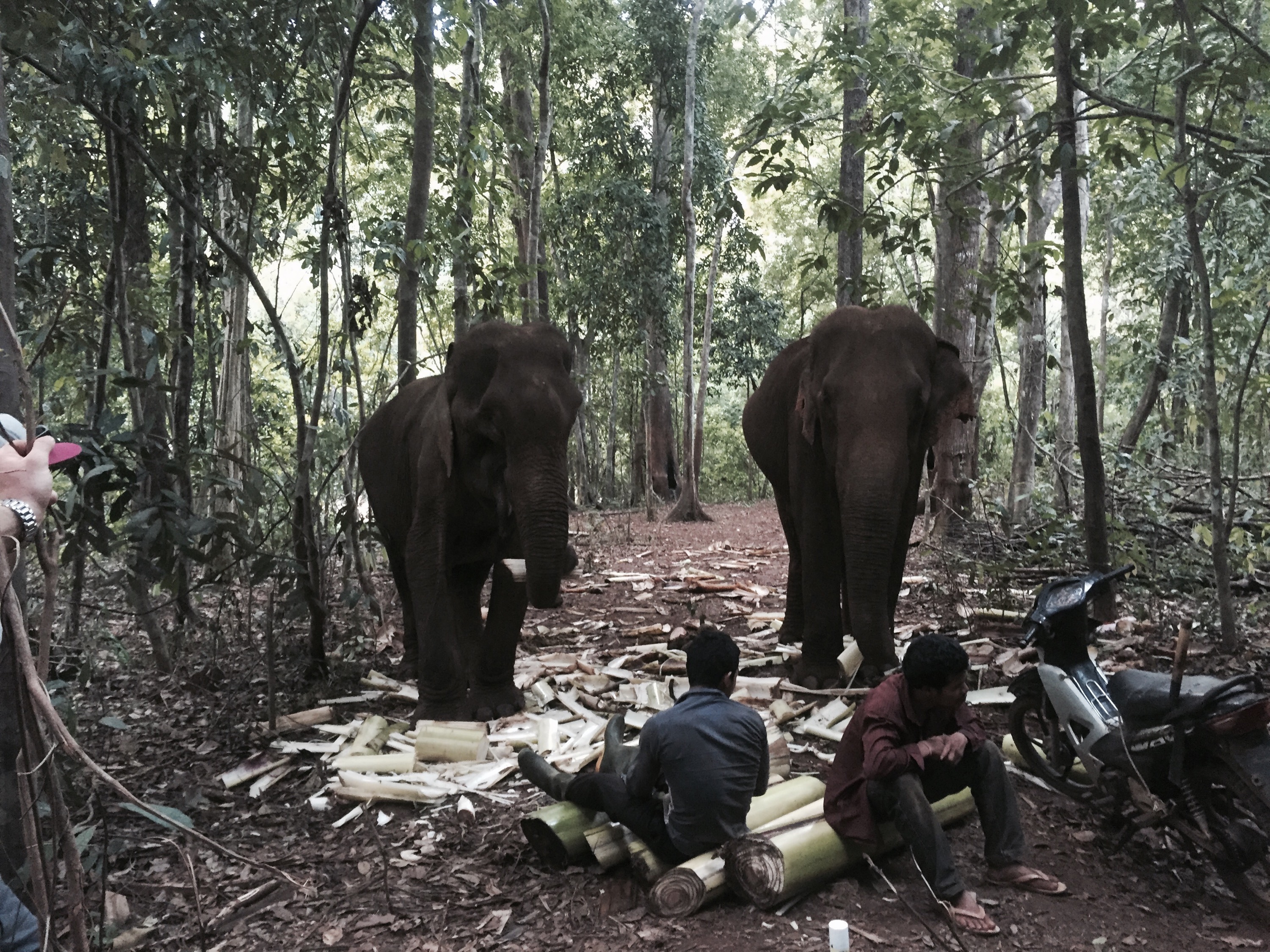
But it was all very very worth it as when we were finished, we got to watch Malot eat the trees.
*More about Malot as well as the Banong people to follow.

 Amy Oswalt